
No products in the cart.
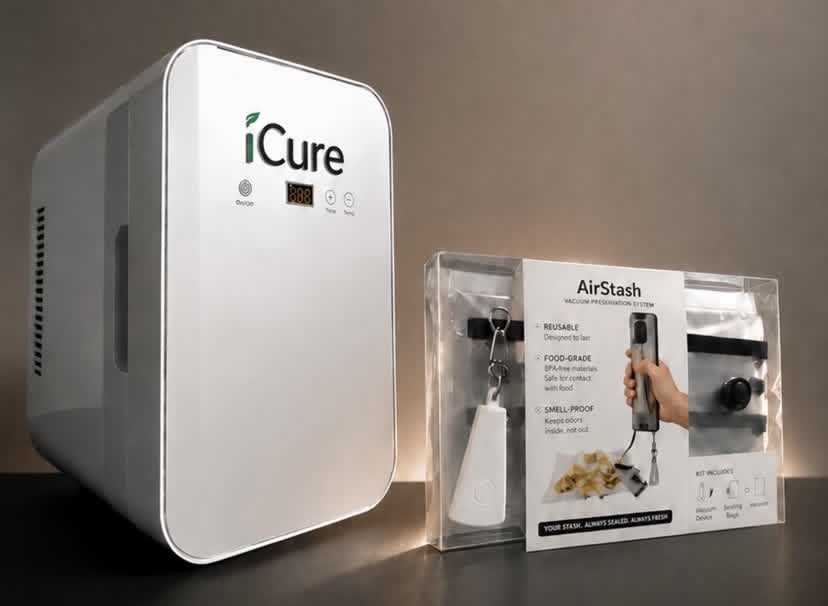
Cold curing has become one of the most talked-about finishing techniques in the solventless world—and for good reason. When done correctly, it helps develop richer aromas, smoother textures, and a more stable final product without sacrificing the delicate terpenes that make premium resin stand out. How to Cold Cure Using the iCure Hash Fridge has to be your main guide as off Today!!!
Over the years, we’ve spoken with hundreds of growers, hash makers, and extraction professionals. One thing we hear repeatedly is this: “I wish there was a way to cold cure consistently without relying on a kitchen fridge.” That exact challenge inspired the development of the new iCure.
Designed specifically for professional resin preservation, the new iCure combines hot curing, cold curing, and controlled storage in a single device with precise temperature control from 0°C to 40°C. The latest model was proudly showcased at Spannabis and Mary Jane Berlin, where visitors had the opportunity to see firsthand how dedicated curing technology can simplify every stage of post-processing.
Whether you’re cold curing fresh press, bubble hash, or premium rosin, this guide will walk you through the process while explaining why consistency, not simply cold temperatures—is the key to exceptional results.
What Is Cold Curing?
Cold curing is a controlled maturation process that allows solventless extracts to slowly develop their desired texture, aroma, and stability while being kept at carefully maintained low temperatures.
Many people assume cold curing simply means placing hash or rosin into a refrigerator. In reality, there’s much more happening.
Inside the container, cannabinoid and terpenes continue to reorganize over time. As they settle into a more stable state, the product often transforms from a glassy or sticky consistency into the creamy, buttery texture many enthusiasts look for.
Just as importantly, a controlled environment helps preserve volatile aromatic compounds that are easily lost when temperatures fluctuate.
Think of it like aging a fine cheese or letting a quality wine mature. The goal isn’t to rush the process—it’s to create the ideal conditions for the product to naturally reach its full potential.
Why Temperature Stability Matters More Than Cold Temperatures
This is one of the biggest misconceptions we encounter.
Many people believe any refrigerator will produce the same results as a purpose-built curing system. Unfortunately, that’s rarely the case.
Household refrigerators are designed to preserve food, not Resin. They cycle through cooling periods, defrost cycles, and humidity changes throughout the day. Every time the compressor starts or stops, the internal temperature shifts.
Those constant fluctuations may seem minor, but over several days or weeks they can affect consistency, texture, and terpene retention.
The new iCure was engineered specifically to eliminate those variables.
With its upgraded cooling system – five times more powerful than the previous generation; it maintains an exceptionally stable environment. Instead of constantly chasing the correct temperature, the system keeps your curing conditions consistent, allowing every batch to mature predictably.
As we’ve learned after working with countless resin producers, consistency is often what separates good results from truly exceptional ones.
Why the New iCure Was Built for Cold Curing
Every improvement in the newest iCure was designed with real-world workflows in mind. This comes as a result of numerous Cold Cure test Using the iCure Hash Fridge.
Precision Temperature Control
The iCure allows you to precisely control temperatures from 0°C to 40°C, making it suitable for multiple curing styles without requiring separate equipment.
Larger Internal Capacity
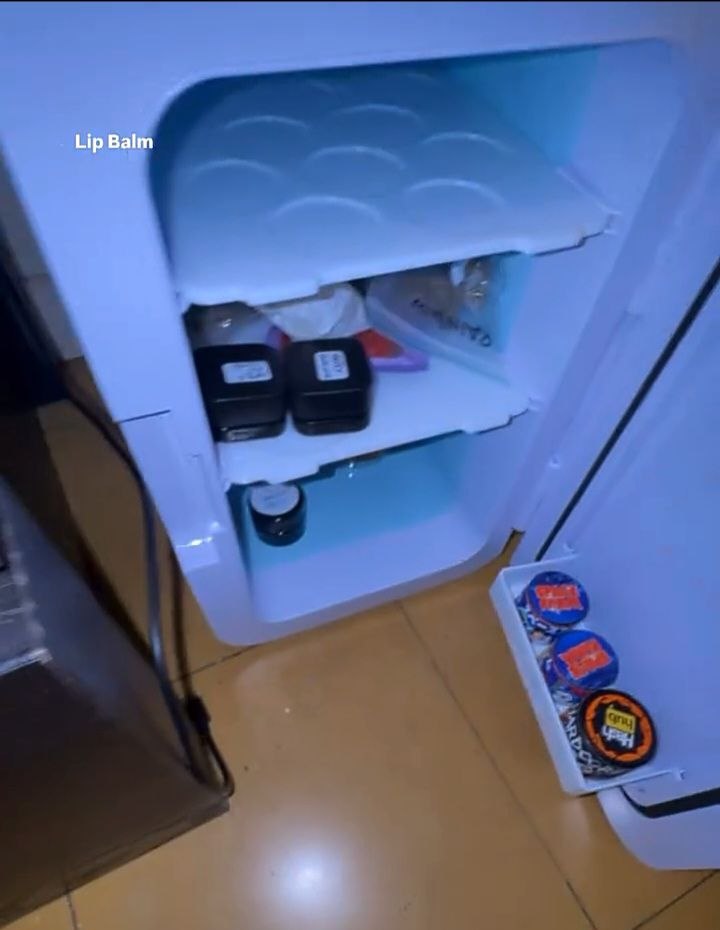
The redesigned interior comfortably accommodates:
- Miron jars
- Mason jars
- Resin bricks
- Vacuum-sealed slabs
- Storage plates
- Multiple batch configurations
Adjustable dividers allow you to organize products efficiently while keeping everything easy to access.
Improved Cooling Performance
The upgraded cooling system delivers faster recovery after the door is opened while maintaining remarkably stable internal temperatures.
This means less stress on your product and greater confidence that every batch is curing under the same conditions.
One Machine, Three Professional Processes
Rather than moving products between different refrigerators, warming boxes, and storage solutions, iCure handles:
- Hot curing
- Cold curing
- Controlled long-term storage
That simplified workflow saves time while reducing unnecessary handling.
Preparing Your Product Before Cold Curing
Great cold curing begins long before you close the iCure door.
If your starting material isn’t properly prepared, even the best curing equipment won’t be able to correct underlying issues.
Before beginning, make sure your material has:
- Been properly dried or freeze dried
- Minimal surface moisture
- Clean handling practices
- Appropriate storage containers
- Clearly labeled batches if processing multiple cultivars
Small details make a surprisingly large difference over time.
Choosing the Right Container
The container you use can influence the curing process almost as much as temperature.
Many professionals prefer:
- Miron glass jars
- High-quality Mason jars
- Airtight laboratory containers
- Vacuum-sealed bags for slabs
The goal is to minimize unnecessary oxygen exposure while allowing the product to mature naturally.
Avoid containers that are difficult to seal consistently or have worn-out lids.
Step-by-Step: How to Cold Cure Using the New iCure
Step 1 – Prepare the Material
Transfer your product into clean, airtight containers.
Avoid packing jars completely full. Leaving a small amount of head space allows the product to settle naturally during curing.
If you’re processing multiple cultivars, label everything clearly before loading the chamber.
Step 2 – Set the Desired Temperature
Use the intuitive touchscreen to select your preferred cold curing temperature.
One advantage of the iCure is its ability to hold your chosen setting accurately without the constant cycling found in conventional refrigerators.
Every batch deserves repeatable conditions.
Step 3 – Organize the Chamber
Place jars securely inside the chamber using the adjustable dividers.
Keeping containers organized makes it easier to monitor progress while maximizing available space.
The larger interior of the newest iCure provides plenty of flexibility for both small test batches and larger production runs.
Step 4 – Let Time Do the Work
One of the hardest parts of cold curing is resisting the temptation to check on your product every few hours.
Opening the chamber repeatedly introduces unnecessary temperature changes.
Patience often produces better results.
We’ve seen producers become concerned after only two or three days because nothing appeared to be changing. Then, almost overnight, the aroma became noticeably richer and the texture transformed into exactly what they were hoping for.
Cold curing rewards consistency—not constant intervention.
Step 5 – Monitor Progress
Depending on the starting material, you’ll begin noticing changes such as:
- Richer aroma
- Creamier texture
- Improved consistency
- Better terpene expression
- Enhanced visual appearance
Every cultivar behaves differently, so experience will help determine when each batch reaches its ideal finish. Cold Cure Using the iCure Hash Fridge should be your game changer.
Common Cold Curing Mistakes
Even experienced producers occasionally make simple mistakes that affect quality.
Opening Containers Too Frequently
Every opening introduces fresh oxygen and changes the environment inside the container.
Unless necessary, let the curing process continue uninterrupted.
Using Household Refrigerators
Kitchen refrigerators experience frequent temperature swings and are opened dozens of times each day.
Those fluctuations make consistent curing difficult.
Rushing the Process
Cold curing isn’t a race.
Some batches mature more quickly than others, while certain cultivars benefit from additional time.
Patience almost always pays off.
Poor Organization
Mixing different batches or forgetting curing dates creates unnecessary confusion later.
Simple labeling saves time and helps maintain quality control.
Cold Cure vs. Hot Cure
Both methods have important roles in professional resin production.
Cold curing focuses on preserving delicate aromas while encouraging gradual texture development.
Hot curing uses carefully controlled elevated temperatures to accelerate certain changes in consistency and appearance.
Neither approach is universally better.
Many professionals actually use both techniques depending on the cultivar, desired texture, and intended end product.
The advantage of the new iCure is that it supports both workflows in one machine, eliminating the need to purchase separate equipment.
After Cold Curing: Controlled Storage
Your work doesn’t end once the ideal texture has been achieved.
Proper storage is essential for maintaining the quality you’ve worked so hard to develop.
Instead of transferring products into another refrigerator or storage cabinet, iCure allows you to transition directly into controlled storage using the same stable environment.
This minimizes unnecessary handling while helping preserve terpene profiles for extended periods.
For producers managing multiple batches, that consistency becomes especially valuable over time.
Final Thoughts
Cold curing is about much more than lowering the temperature. It’s about creating a stable, controlled environment where your resin can mature naturally while preserving the compounds that define its quality. Cold Cure Using the iCure Hash Fridge is the Future and Mother to best quality.
That philosophy guided every decision behind the new iCure—from its precise 0–40°C temperature control and significantly upgraded cooling system to its larger interior and versatile storage layout.
The response we received when the new model debuted at Spannabis and Mary Jane Berlin reinforced what we’ve believed from the beginning: today’s growers and solventless producers are looking for equipment built specifically for the curing process—not adapted from household appliances.
Whether you’re producing small craft batches or managing commercial-scale production, the right environment can make every batch more consistent, more predictable, and ultimately more rewarding.
When temperature, time, and patience come together, exceptional resin follows.
FAQ Section
Cold curing is a controlled post-processing technique that matures hash or rosin at stable low temperatures. This allows cannabinoid and terpenes to develop naturally, improving texture, aroma, and long-term stability while helping preserve volatile compounds.
The new iCure is suitable for a variety of solventless products, including:
Hash Stored in Miron or Mason Jars
- Bubble Hash
- Fresh Press Rosin
- Cold Cure Rosin
- Live Rosin
- Resin Bricks
- Vacuum-Sealed Slabs
Yes. One of the defining features of the new iCure is its ability to perform hot curing, cold curing, and controlled storage in a single professional unit.
There is no universal curing time. The ideal duration depends on the cultivar, extraction quality, moisture content, and the texture you want to achieve. Monitor your product regularly and let its aroma, consistency, and appearance guide the process rather than following a fixed timeline.
The optimal temperature depends on the type of material being cured and the desired outcome. The new iCure allows precise adjustments between 0°C and 40°C, giving users complete control over both cold curing and hot curing workflows.
Yes. Airtight Mason jars are commonly used by both home enthusiasts and commercial producers. Miron glass jars are also an excellent option because they help protect products from light exposure during storage.
Yes. A stable cold curing environment helps reduce terpene loss caused by temperature fluctuations and excessive handling, allowing the product to retain more of its natural aroma and flavor.
Absolutely. One of the biggest advantages of the new iCure is that it combines hot curing, cold curing, and controlled storage in a single machine. This eliminates the need to transfer products between different appliances, helping maintain consistency throughout the entire curing process.
Yes. The redesigned iCure features a larger interior, improved cooling performance, adjustable storage dividers, and precision controls, making it suitable for both small-batch craft producers and commercial operations seeking repeatable results.
The latest iCure model was showcased at Spannabis and Mary Jane Berlin, where growers, extractors, and cannabis professionals were able to explore its upgraded features, including the more powerful cooling system, expanded storage capacity, and precise temperature control designed specifically for professional resin curing.